

buckminster fuller institute

Future Systems + Regenerative Design
Creative direction and design strategy for the Buckminster Fuller Institute's Design Science Studio—an international initiative applying Buckminster Fuller's principles of comprehensive anticipatory design science to contemporary cultural, environmental, and social challenges.
-
The work translated complex systems thinking into accessible visual frameworks, collaborative learning experiences, and integrated campaigns that connected design, technology, sustainability, and human potential.
-
Inspired by Fuller's belief that design should improve the systems that support life, the studio developed flexible visual languages to communicate ambitious ideas across education, exhibitions, public engagement, and global collaboration.
Beyond creative direction, Michael helped shape the inaugural Design Science Studio curriculum as a founding cohort member, contributing to the studio's creative framework, collaborative methodology, and strategic direction.
The work explored how branding, storytelling, and systems design can make complex ideas understandable, actionable, and culturally relevant.
-
The Design Science Studio positioned creativity as a catalyst for systems change—bringing together artists, designers, architects, technologists, educators, and entrepreneurs to explore regenerative approaches to the future.
Studio projects were presented internationally, including exhibitions during Art Basel Miami, online programming with Gray Area SF, and United Nations–aligned initiatives in partnership with Leadership on Purpose.
Michael also presented Design for Impact with the Buckminster Fuller Institute during the Burners Without Borders 2020 Spring Summit, exploring how design can strengthen communities by creating better systems rather than simply better objects.
-
Buckminster Fuller believed that the role of the designer is not merely to create artifacts, but to improve the systems that shape human life.
That philosophy continues to influence Michael Robinson’s approach—connecting strategy, design, technology, and culture to create frameworks that help people navigate complexity, collaborate more effectively, and imagine better futures.
Role
Creative Direction • Design Strategy • Curriculum Development
Focus
Systems Thinking • Regenerative Design • Cultural Innovation • Future Frameworks
Platforms
Identity Systems • Campaigns • Digital • Experiential • Environmental • Education
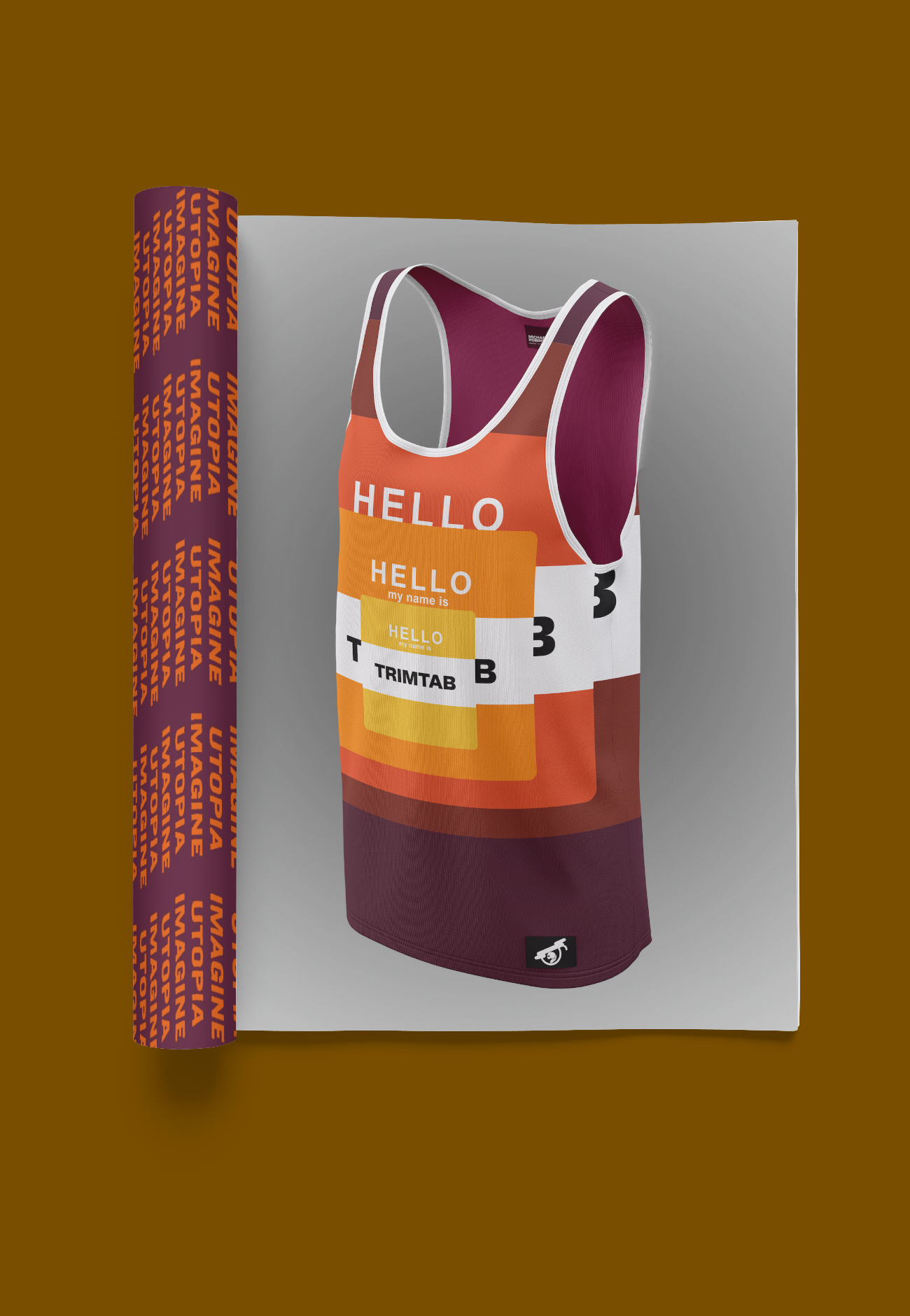
“Call me Trimtab.”
R. Buckminster Fuller’s belief that a small, strategically placed action can redirect a much larger system.

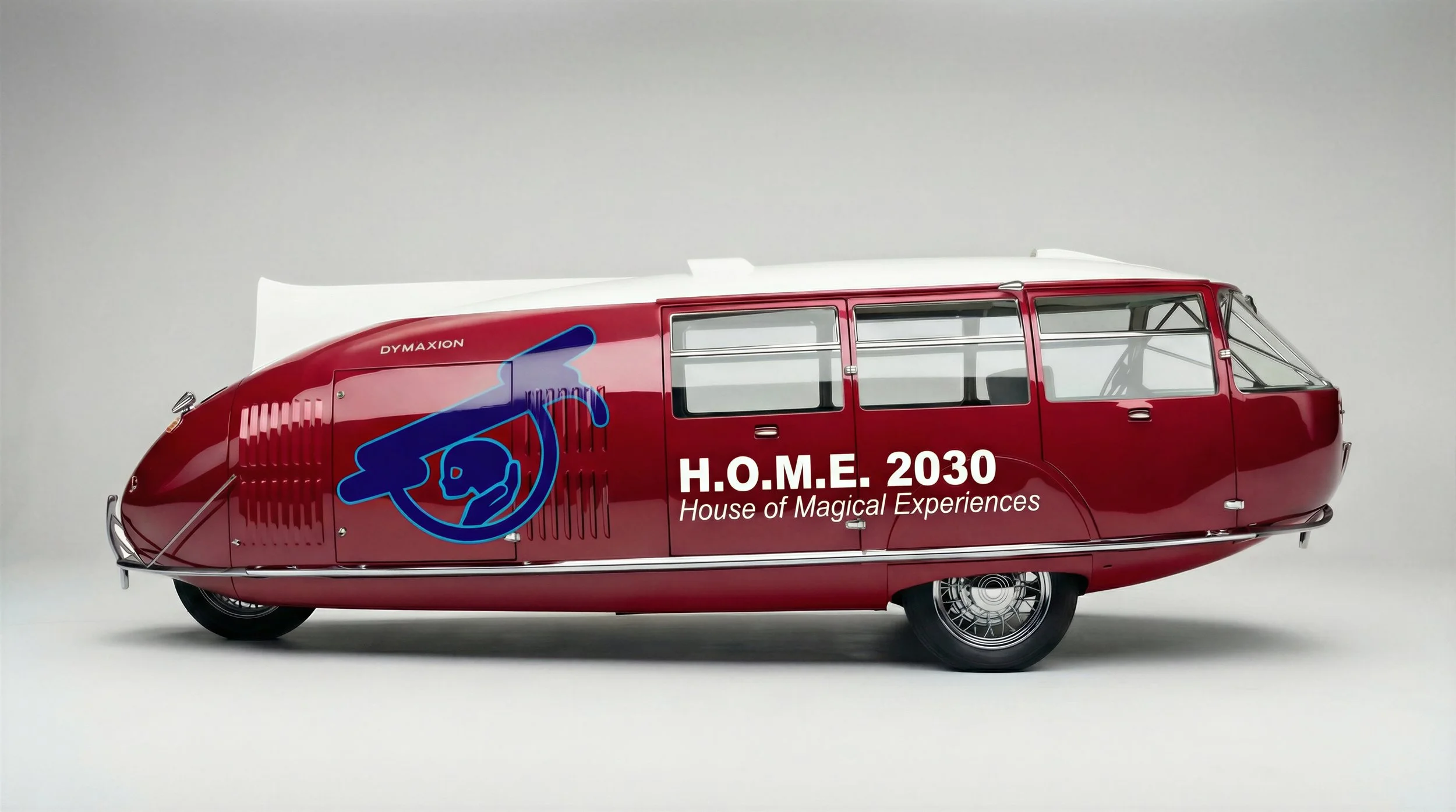
H.O.M.E. 2030
House of Magical Experiences
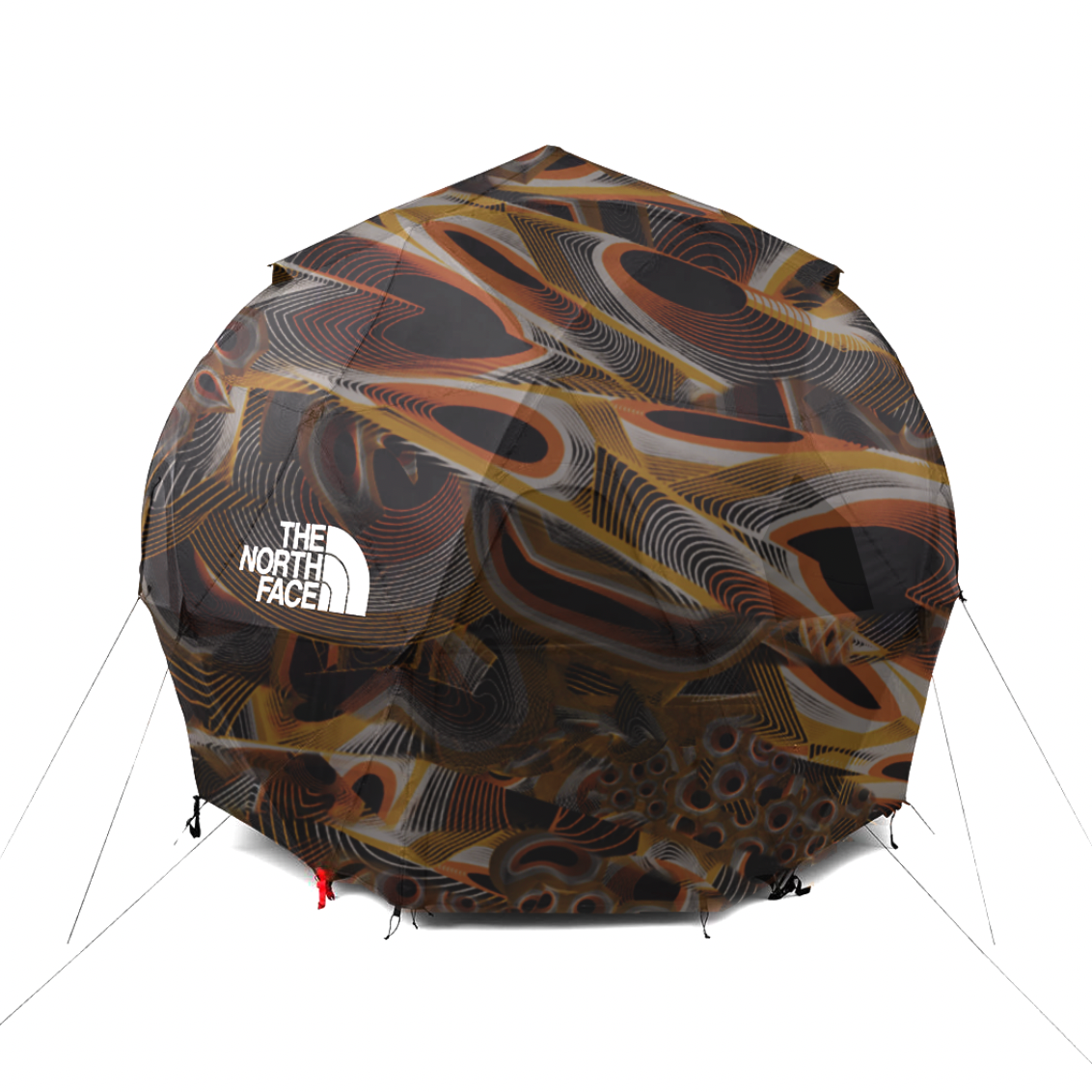
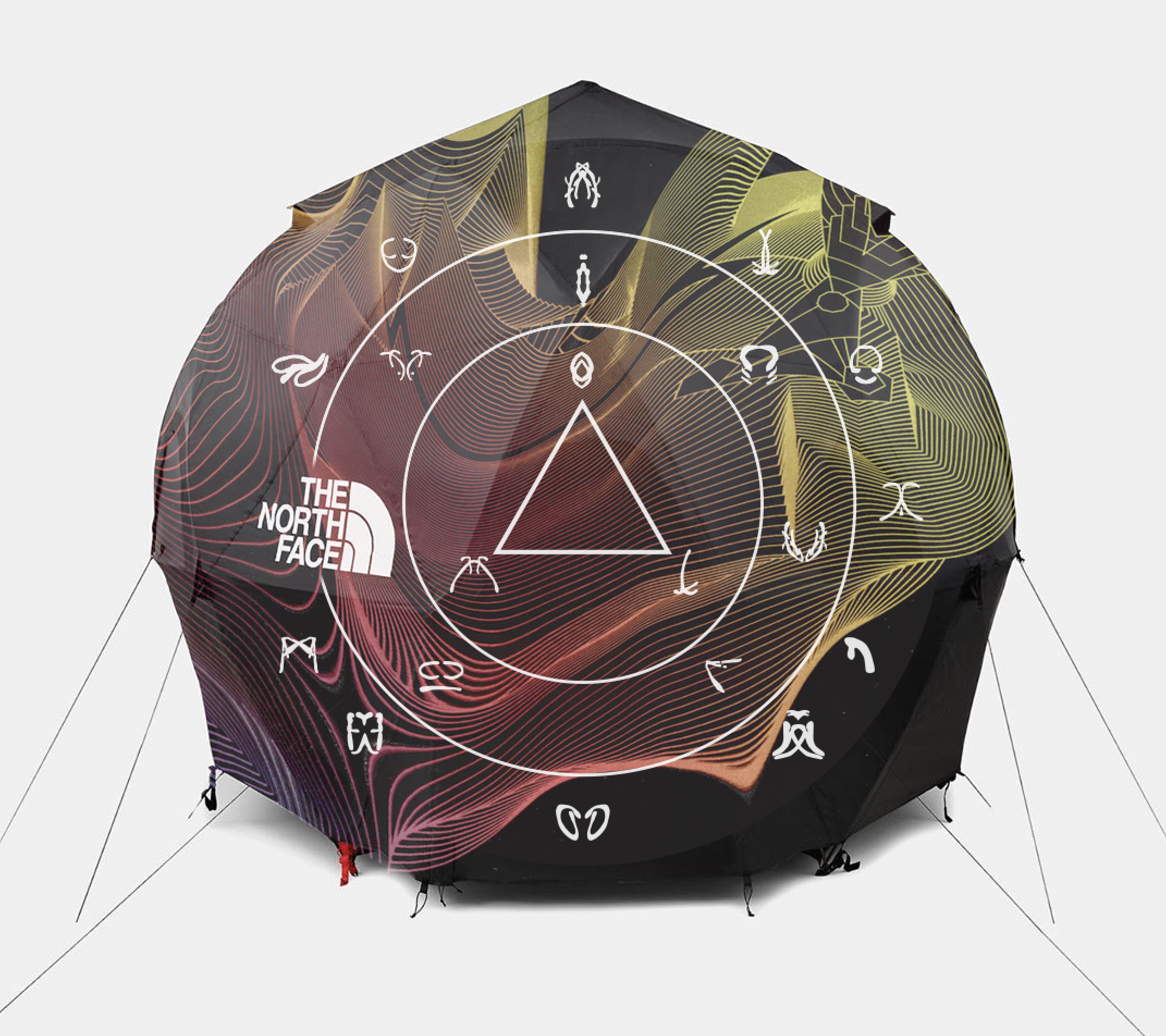
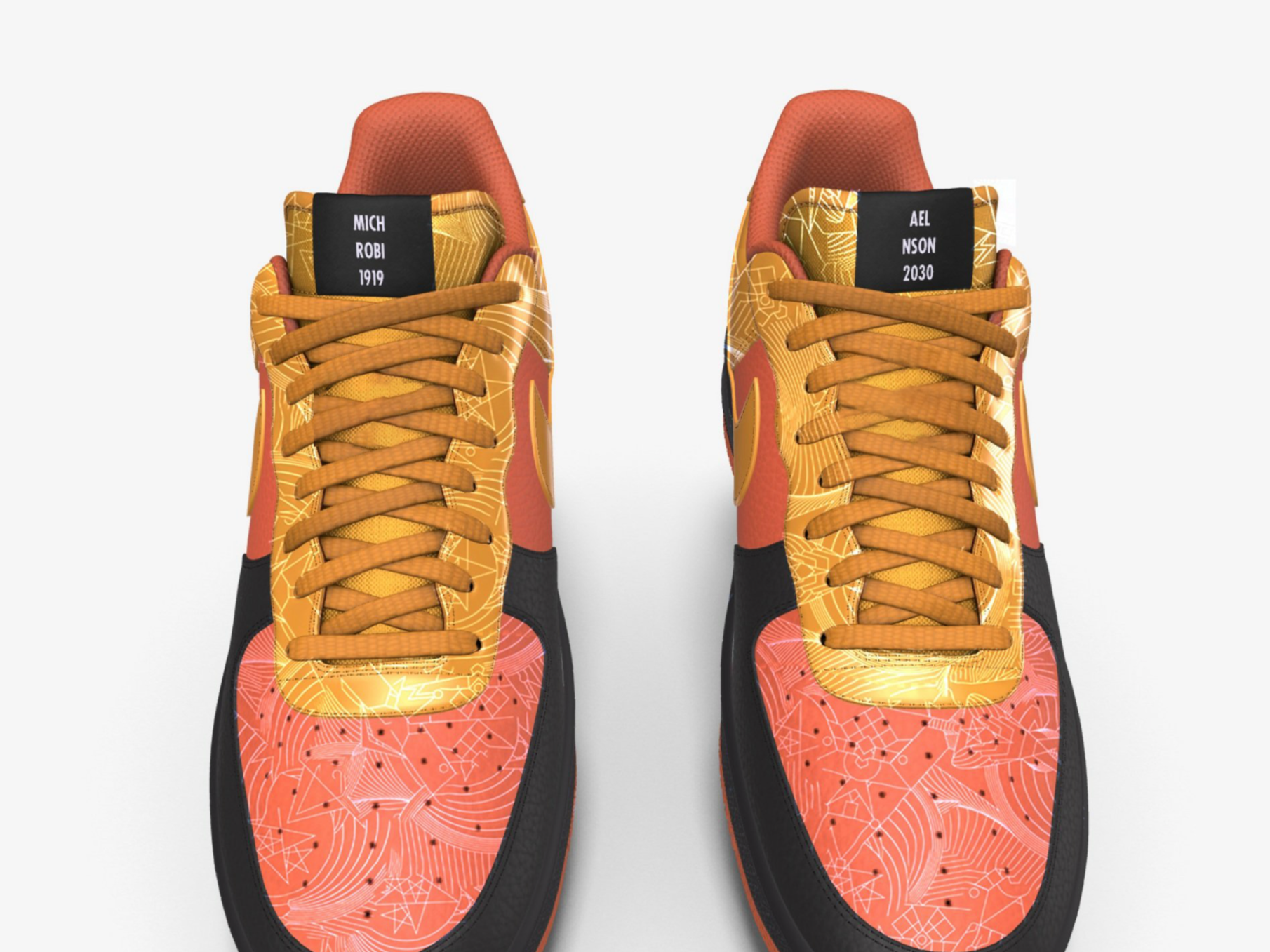
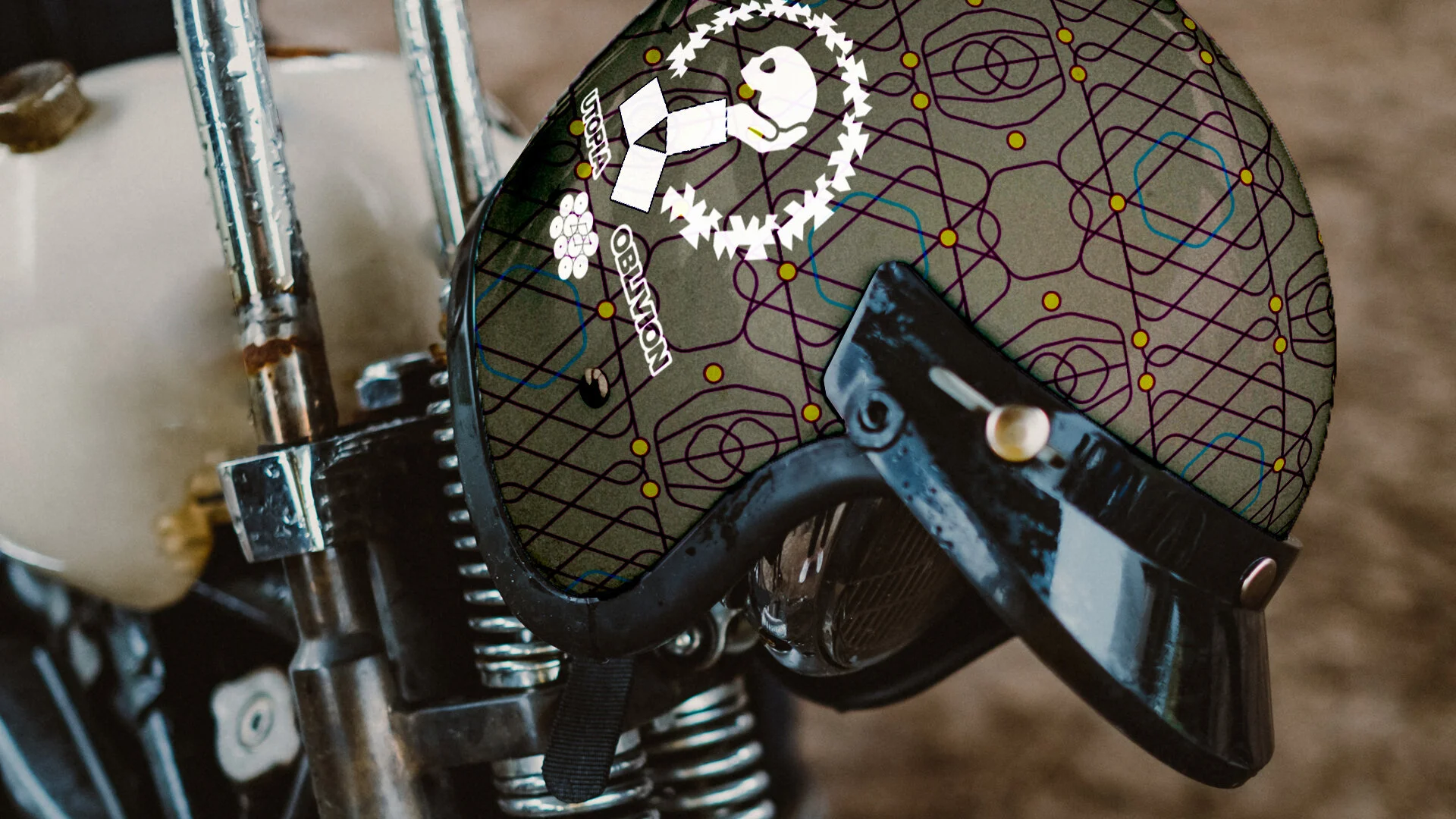
The project reimagines how visionary brands might translate these ideas into everyday life through conceptual collaborations with Nike, The North Face, Porsche, and Harley-Davidson. From regenerative materials and adaptive apparel to portable environments, mobility, and performance products, H.O.M.E. 2030 explores how design can create objects that are simultaneously functional, aspirational, culturally meaningful, and essential.
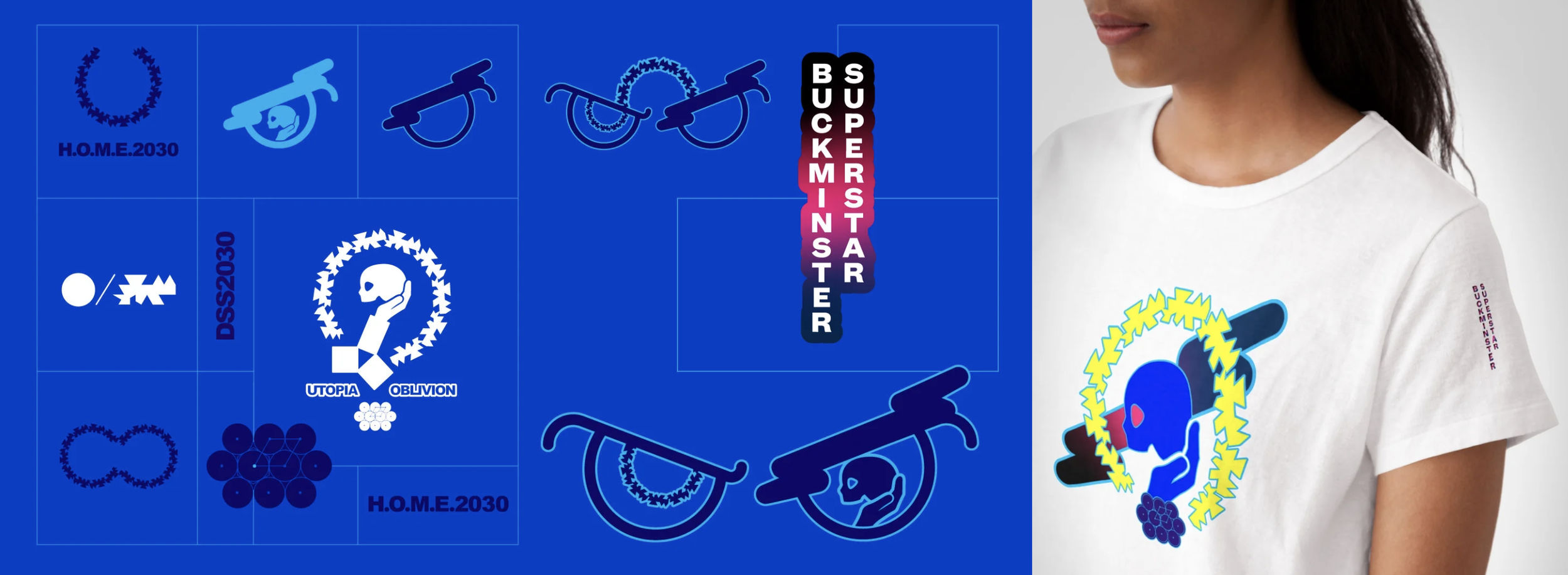
H.O.M.E. 2030 was selected as the entry point for Mora Cohera, the inaugural Design Science Studio cohort’s digital exhibition, which explores sustainable design through Buckminster Fuller’s design science principles.